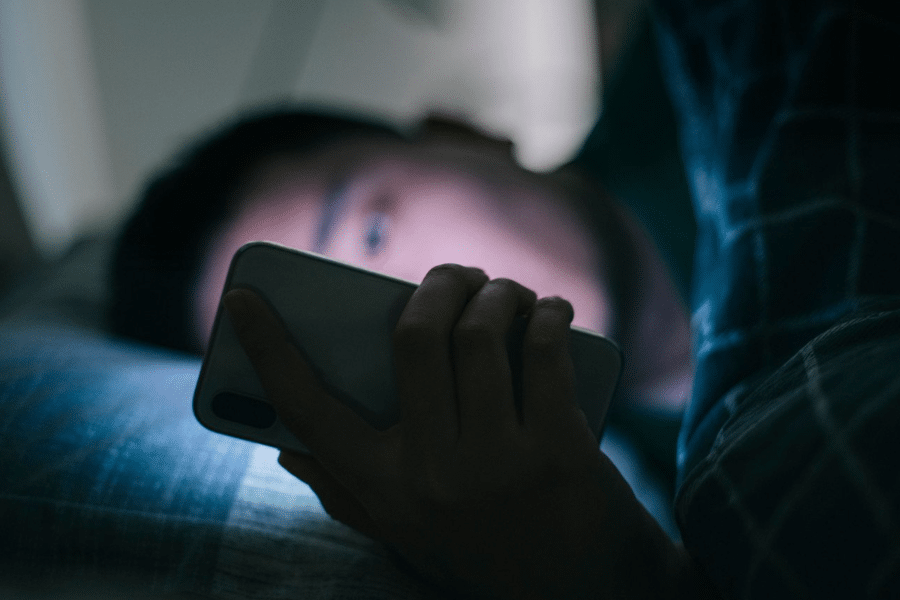
How to stop snoozing is a severe problem for more and more people. How often do you snooze before getting out of bed? Did you know that snoozing affects both your productivity and your health?
Somehow, you have mastered the art of pressing the snooze button several times, if not five or ten times in the morning, while still sleeping in between the 10-minute alarm cycles. Between each repetition, you wake up more and more tired and finally start your day, just wishing you could stay in bed. It is after twenty, thirty minutes, or even an hour before you finally get out of bed. If only you could find a lasting solution to your snoozing problem.
There are several ways to adjust your lifestyle to resist tempting to press the snooze button each morning. We all know that snoozing is terrible, but sometimes we don’t feel like we have a choice. It is not physically or mentally healthy starting your day by struggling out of bed. Learn how to stop snoozing effortlessly.
You must have been trying to find out if snoozing is terrible for you? Snoozing several times before you wake up may give you a momentary feeling of pleasure, but it does more harm than good.
When you snooze, your body and brain get confused, resulting in that misty feeling called sleep inertia. Sleep inertia can affect productivity throughout the day, leaving you feeling tired all day long.
Sleep inertia is that tired and dizzy feeling you experience when you wake up in the morning. It takes 15 to 20 minutes for some parts of your body and brain to go through the waking process. But that’s only when you wake up at the end of your sleep cycle.
And sleep inertia probably isn’t even the only source of exhaustion – repetition can also significantly affect the rapid eye movement portion of the sleep cycle, when our bodies are most inactive and when our bodies are most dormant. The brain is most active. (REM sleep is when we dream).
Snoozing causes sleep disturbances, which can affect your body negatively, according to a research journal. If you need to hit the snooze button, it’s probably a sign that you’re not getting enough quality sleep in general.

The first step to breaking the snoozing addiction is to make sure you get enough sleep. Most adults are sleep deprived, making the morning nap a global epidemic.
When you snooze, your body enters a new sleep cycle and pauses every 10 to 15 minutes (depending on your snooze time). It’s a productivity and brain killer. If you force yourself to get up the first time you wake up, you’ll be fresh and ready to go. Most people wake up exhausted because they are sleepy. Okay, let’s go ahead and talk about ways to stop hitting the snooze button.
Getting healthy sleep is vital for physical and mental health, improving productivity and global life quality. From children to older adults, everyone can benefit from better sleep, and sleep hygiene can play a crucial part in achieving that goal.
Good sleep hygiene means having both a bedroom environment and daily routines that promote consistent, uninterrupted sleep. Keeping a stable sleep schedule, making your bedroom comfortable and disruptive, having a relaxing way before bed, and adopting healthy habits during the day can all contribute to excellent sleep hygiene.
Your behavior during the day – not just before going to bed – can affect your sleep. Your choice of food and drink, schedule, and many other activities all play a role in your ability to sleep.
Tips to improve your sleeping hygiene:
Most people don’t wake up early because they are not used to getting up early. You have to train your mind to become an early riser. Once you train your mind to be an early riser, you can be productive and create a routine that works for you.
Another method to wake up early is to wear a Fitbit Air overnight, so you can see what your nights look like and hold yourself to the same wake-up time each morning. Thanks to technology, a sleep tracker can provide valuable information. It monitors your sleep patterns and provides information about your sleep quality.

Sunlight can help you get out of bed quickly. If your bed isn’t close to a window, an alarm clock that simulates the sunrise can be a great help.
A sunrise alarm clock has a lamp that slowly starts to burn 20 to 30 minutes before you wake up. It attempts to recreate an actual sunrise that you would otherwise miss due to winter or heavy curtains. It’s that simple.
The best time to meditate is in the morning, shortly after waking up. Meditation is helpful at any time of the day. Also, it is potent in the morning. Because our nervous system is getting ready for the day, meditation can recharge us as the day goes on.
Morning meditation can better prepare us for the day’s challenges.
Try not to put the alarm clock near your bed, so you have to get out of your bed to turn off the alarm. Or if you don’t live alone, set a temporary alarm next to your bed and set another alarm somewhere far from your bed a few minutes later. This way, you can get up and turn it off before it starts crying. It will certainly take you out of the practice of instant repetition without regard to it.
Doing the recommended daily exercise five days a week will keep you in shape, positively affecting sleep quality. Post-sleep work-out has been shown to extend the duration of slow sleep, which may be an essential sleep phase for maintaining a healthy metabolism.
Make your workout plans the night before. When that alarm goes off, you don’t want to start trying to figure things out. Sleep in your workout wear or keep it beside your bed.
Snoozing is terrible for most people. No matter the pleasure you get from a few minutes of snoozing, there is no proven study to support the theory. However, sleep researchers have done enough research to show how snoozing affects your deep sleep, energy levels, and health. Create morning habits that will get you out of bed and evening habits that will make you sleep early and sleep well.
Remember that making changes is a long and continuous process. You may not be able to jump out of bed in the first week, but you can take small steps every day to rest well and wake up more quickly. Make small changes step by step, and you will soon prove to yourself that you know how to stop snoozing the alarm in the morning. If you need further help waking up, do not hesitate to seek help from a sleep doctor approved by the council.